Menu +
The DDP Sea Shipment Where the Seller Only Relays Silence
A $4,000 DDP sea shipment is three weeks into a customs hold and the seller only forwards silence. How to tell a real inspection from a dead end.
Start reading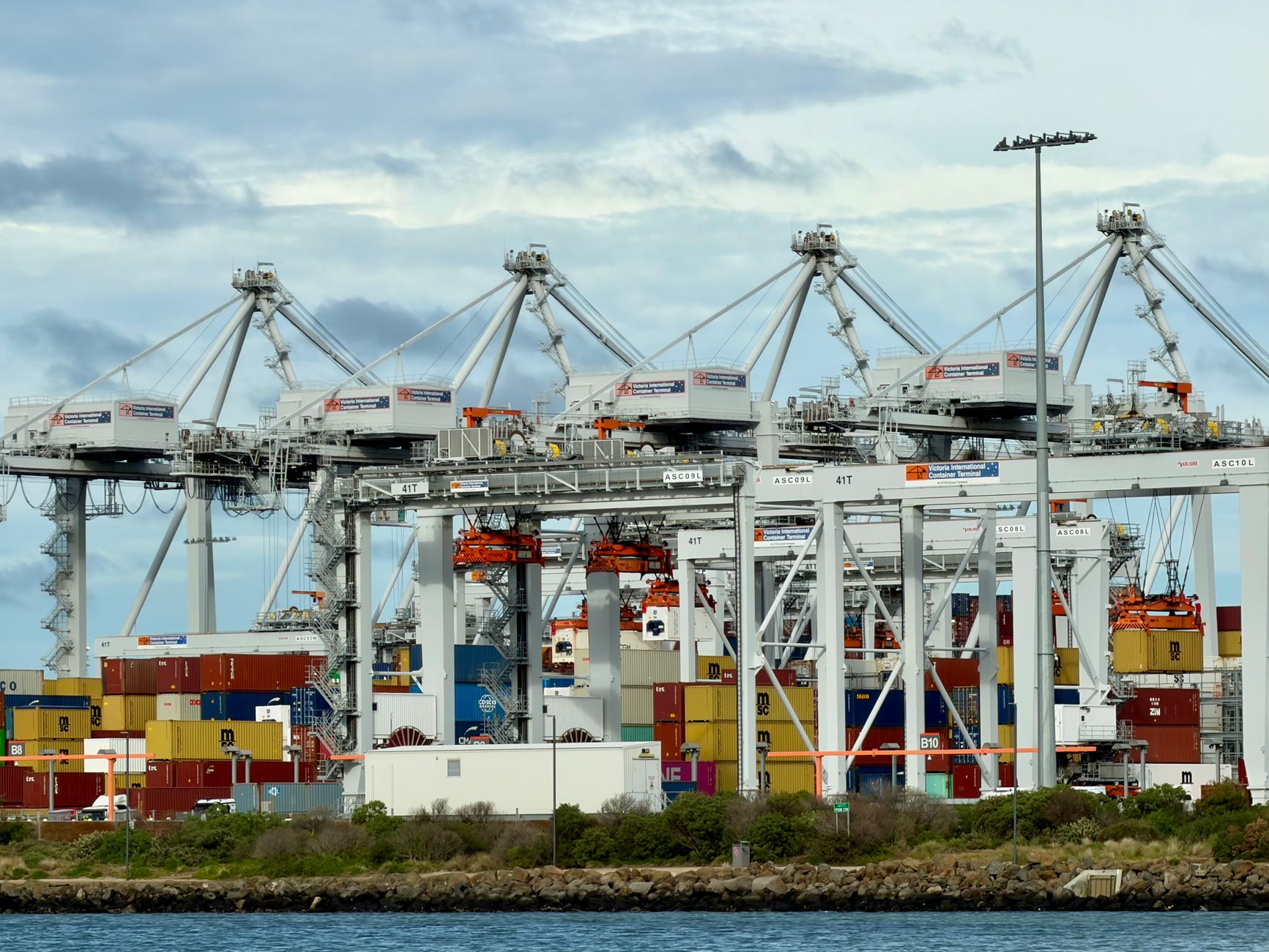
Under DDP, the seller controls everything after the goods leave the factory: they book the vessel, nominate the importer of record, clear customs, and hand you the finished delivery. That is the appeal — one price, one contact, no customs broker to engage. It is also what makes a DDP hold so frustrating, because when the shipment stops moving, the only person you can talk to is the seller, and the seller is talking to a forwarder you have never met.
How the hold actually unfolds
Here is the sequence as it typically plays out on the ground. Suppose you have ordered a few dozen cartons of custom packaging, paid in full, shipped by sea under DDP. The seller tells you the goods arrived in Australia late in September. Then the updates thin out. A message says the container is “held by customs for inspection.” Asked for the location, the customs status or any paperwork, the seller replies that they are still waiting on the shipping company.
Two or three weeks pass like this. Eventually the seller sends an Australian last-mile tracking number as reassurance. You ring the carrier. The carrier has no record of it — which is not automatically sinister, because a tracking number can be issued at booking and stay dormant until the freight is actually tendered to the local carrier. But it is not proof of progress either.
Meanwhile, the clock matters. On Alibaba Trade Assurance, the delivery confirmation window keeps running. Extending it by 15 days buys time but does not create information. If the order was fully paid, you have no commercial leverage left except escalation and the paper trail.
Why DDP silence happens
In a genuine inspection, a licensed customs broker receives the hold notice, provides what the border agency asks for, and the goods release when the issue is fixed. The broker knows the reason. So when a seller can only say “we are waiting for updates,” it generally means one of two things: the message chain from forwarder to broker to seller is slow and nobody is chasing, or the shipment entered through a low-cost DDP channel where the importer of record is a third party, the declaration may not match the goods, and no one wants to put the actual status in writing. The second case is where holds run long and sometimes end badly.
Also remember that sea freight is consolidated. If your cartons travel LCL, they share a container with other shippers’ goods. A problem with someone else’s cargo can stall the whole box, and your packaging supplies sit at the wharf while storage accrues.
What to demand, and in what order
- Ask for the customs entry or hold notice itself. Not a screenshot of a chat, not a tracking page. A licensed broker receives a written notice naming the reason — documents, biosecurity, valuation, a permit. If the seller cannot produce any document with an entry number, treat “customs inspection” as unverified.
- Ask who the importer of record is. If it is not you, ask for the name of the entity and the broker handling clearance. A real DDP operation can answer this in one message.
- Ask for the bill of lading or sea waybill number and the container number. These are fixed identifiers. With them, any forwarder can confirm arrival and discharge. Without them, nothing can be checked.
- Get the last-mile tracking number in context. Ask when the freight was tendered to the local carrier and under which consignment reference. A carrier that still has no record after tender is a genuine red flag.
- Escalate inside the platform before the window closes. Open a Trade Assurance dispute or request platform mediation while the order is still open, and do it in writing with the requests above logged. Do not let the confirmation period lapse while waiting politely.
Judge the answers by whether they are specific and dated. A broker’s hold notice, a container number, an importer-of-record name — those are real. “The shipping company hasn’t replied” repeated for a third week is not an answer, it is a holding pattern.
For your next order, settle the DDP question before you pay: who clears the goods, who is named as importer, and which broker receives the notice. If the seller cannot name them, price the shipment as DAP instead and appoint your own broker. If you want help structuring that before the goods leave the factory, see our services.
Tell us about your product, target market and timeline; we will outline the practical next steps.
Prepare your sourcing briefThe next useful question.
Tell us what you have in mind.
We’ll help map the next step.
Share your product, target quantity, destination and timeline. Whether you are finding a supplier or checking an existing order, a clear brief is a good place to start.
Get the sourcing briefConnect with Jinaria
Send your project brief by email, WhatsApp or Telegram. Downloading a brief does not submit an inquiry automatically.