Menu +
The ‘Container Doors Locked’ Message: What Buyers Should Verify
A forwarder’s ‘container doors locked’ text is not proof your cargo was loaded. Here’s what to check before you accept it.
Start reading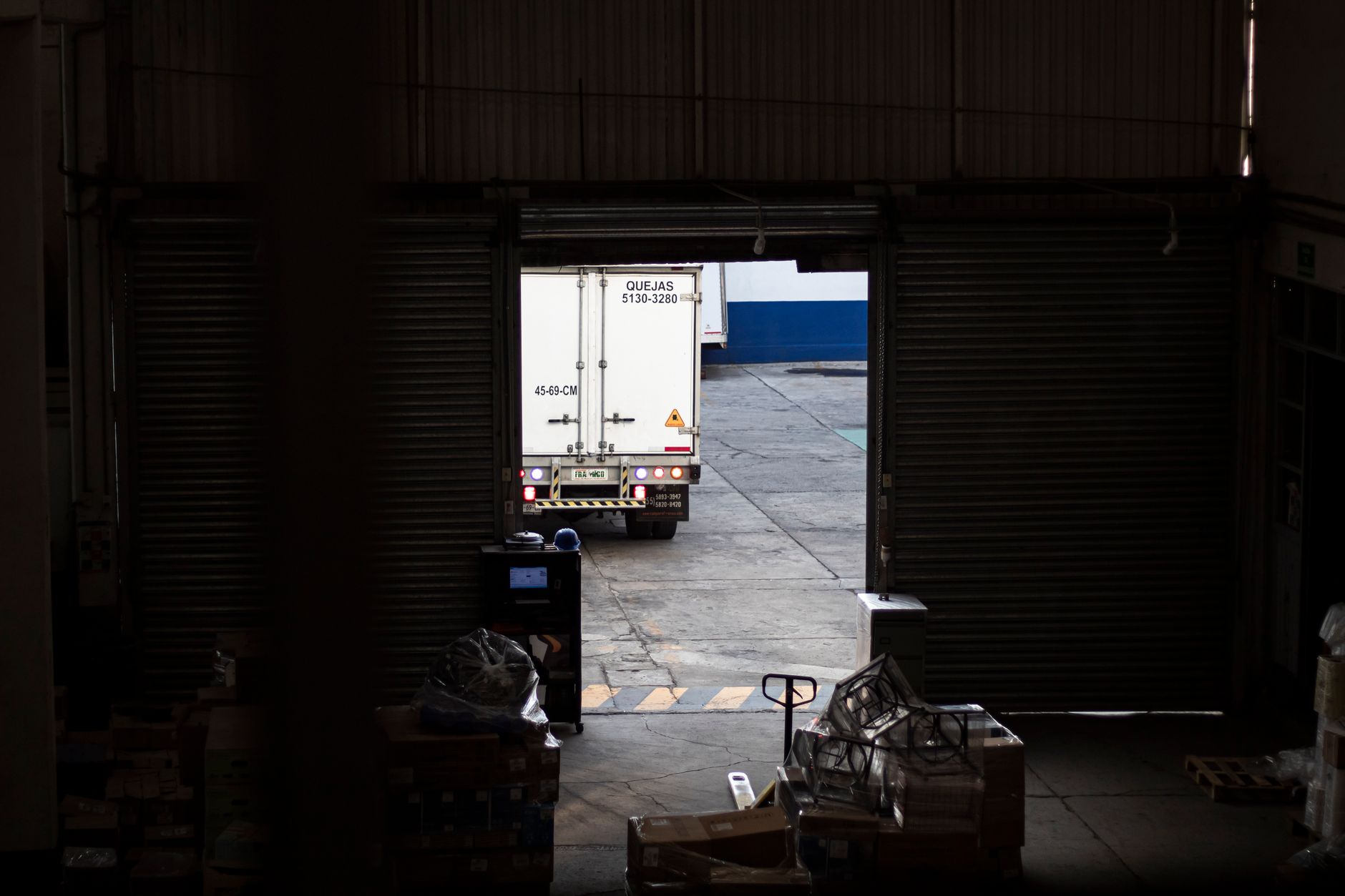
The message usually arrives at an awkward hour, in a tone that suggests the matter is closed: “Container doors locked. Sailing on schedule.” For a buyer waiting on a first order — say, a run of pet harnesses and a few cartons of grooming supplies — it reads like the finish line. For anyone who has stood at a loading bay, it is closer to a starting gun.
Here is what that message actually represents, and what to ask for before you treat it as proof your goods are on board.
What happens on the ground
Loading is not a single moment. It is a sequence, and each step leaves a different mark.
First the container is released from the depot and trucked to the supplier’s warehouse or a consolidation shed. Then cartons are counted against the packing list, loaded, and the doors are closed and sealed. Only after loading does the container go to the terminal, where the seal is checked again before it is accepted for the vessel.
The message you receive often comes from one of two places: the forwarder’s operations desk, which may be repeating what the trucker told them, or the supplier, who may be repeating it second-hand. In a busy week, “doors locked” can mean the container is sealed and waiting at a yard, not that it has been handed to the carrier.
This is where the message gets thin. A locked door proves a container was closed. It does not prove:
- that your cartons were inside it;
- that the seal number matches the one on the bill of lading;
- that the container was accepted by the terminal before the cut-off;
- that the vessel it was booked on is the one it will sail on.
In practice, the common gap is a short shipment. Cartons are left on the floor because the count was off, or a pallet is held back for a re-packing issue, and the container still locks and leaves. The forwarder’s message doesn’t change. The buyer finds out at destination, when the carton count is short and the supplier says the missing goods were “not loaded by the forwarder.”
What to verify before you accept it
You are not trying to catch anyone out. You are closing the gap between a message and a document, in the right order, before the next payment or handover.
1. Ask for the loading record, not the update. A signed loading tally or a warehouse receipt showing the carton count, the container number, and the seal number. If the supplier loaded at their own warehouse, ask for photos of the cartons inside the container with the container number visible. A photo of a closed door proves nothing; a photo of the load does.
2. Match the seal number to the transport document. The seal on the container should appear on the bill of lading or the booking confirmation. If the numbers differ, ask why before the container moves. A changed seal can mean a legitimate re-seal at the terminal, or a container that was opened after loading.
3. Get the terminal acceptance, not just the gate-out. Ask for the container’s status at the terminal — accepted, or still pending. This is the step where cut-off misses happen, and it is the step the “doors locked” message skips.
4. Tie your balance payment to a document, not a message. If you still owe a balance on the order, release it against the bill of lading and the loading record together, not against a chat message. If you are using a sourcing partner to hold the handover, make the loading tally part of that handover. You can see how we structure that on our services page.
5. Check the timing against the vessel. A container can be locked and loaded and still miss the sailing. Ask for the vessel name and the estimated departure, and confirm the container is on the manifest — not just at the port.
None of this requires distrust. It requires the same thing at every handover: a document that names the goods, the count, the container, and the seal. When the message and the document agree, you can relax. When only the message arrives, you are still waiting.
Tell us about your product, target market and timeline; we will outline the practical next steps.
Prepare your sourcing briefThe next useful question.
Tell us what you have in mind.
We’ll help map the next step.
Share your product, target quantity, destination and timeline. Whether you are finding a supplier or checking an existing order, a clear brief is a good place to start.
Get the sourcing briefConnect with Jinaria
Send your project brief by email, WhatsApp or Telegram. Downloading a brief does not submit an inquiry automatically.