Menu +
When the Air Waybill Shows Damaged Cartons and Only One Label Delivers
A DDP air shipment arrives with damaged cartons noted on the waybill and only one of three last-leg labels delivered. Here’s what happened and what to do.
Start reading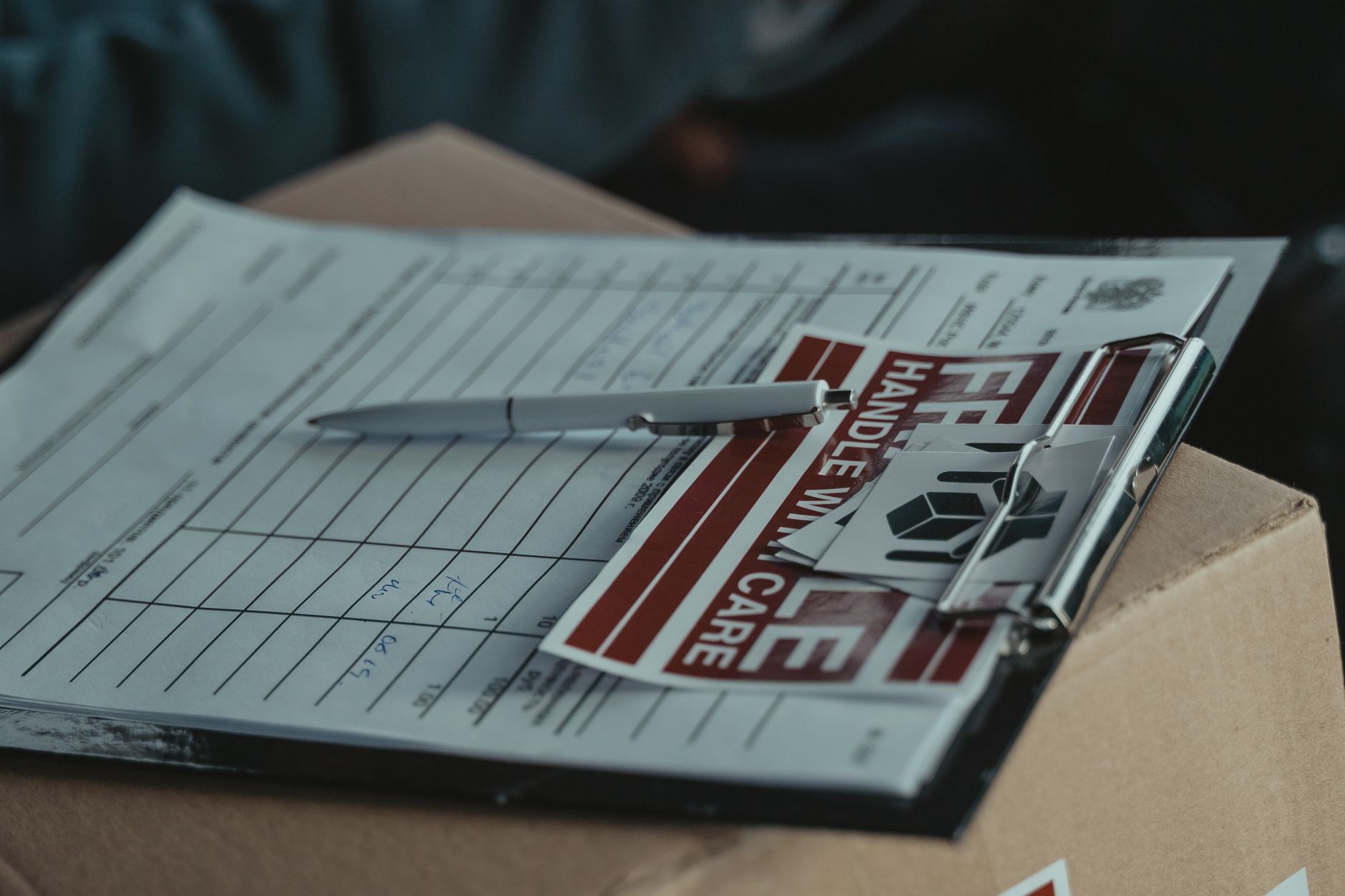
Suppose you’ve paid for a DDP air shipment of 80 pet apparel items — say, 80 units packed into three cartons. The forwarder books the space, clears customs, pays duties, and hands the shipment to UPS for the last leg. Three separate UPS labels are created. Then the tracking shows one package delivered. The other two labels never move. You ask the supplier for the customs and flight confirmation, and the air waybill copy they send back notes that two cartons were damaged in transit. The supplier says those aren’t your cartons. The forwarder’s messages suggest a plane is still expected Monday. You’re left holding one carton and a lot of questions.
This is a common pattern in DDP air freight, and it rarely resolves cleanly on its own. Here’s how it actually unfolds, and what you can do about it.
What actually happens
DDP air shipments from China to the US typically move as LCL (less than container load) consolidation. The forwarder combines cargo from multiple suppliers at a Shenzhen warehouse, inspects outer cartons, screens for contraband, and then hands the consolidated lot to an airline. After customs clearance and duty payment, UPS or FedEx takes over for the final delivery to the Amazon FBA warehouse or your address.
The air waybill (AWB) is the contract of carriage between the shipper and the airline. When cartons are damaged during handling, the airline or ground handler notes it on the AWB or a separate damage report. That note is your first signal that something went wrong before the last leg.
In the scenario above, the buyer receives one carton and sees three UPS labels. The labels were created on October 16th, but only one has movement. The supplier sends a copy of the customs declaration and flight confirmation, which includes a damage note for two cartons. The supplier claims those two cartons aren’t the buyer’s, but the buyer has no way to verify that from the documents alone. Meanwhile, the forwarder’s messages are inconsistent — one says all cartons are in the US, another mentions a plane arriving Monday. The buyer is stuck between a supplier who says “wait” and a tracking page that shows nothing.
This is where the process stalls. The buyer has paid in full, the supplier is incentivized to delay, and the forwarder only communicates through the supplier. The damage note on the AWB is the only hard evidence, but it doesn’t identify which cartons were damaged. Without carton-level tracking or a packing list that matches carton IDs to UPS labels, it’s nearly impossible to prove whose goods are missing.
What to do about it
If you find yourself in this situation, act quickly and keep everything in writing.
- Request the full set of shipping documents immediately. Ask for the air waybill, the damage report (if separate), the packing list with carton dimensions and weights, and the commercial invoice. The packing list should show how many cartons were handed to the airline and their individual marks. Compare that to the number of UPS labels created.
- Get the carton-level mapping. Before shipment, insist that your supplier or forwarder provides a list matching each carton ID to its UPS tracking number. If they can’t, ask for photos of each carton with its label affixed at the warehouse. This is your only way to know which label belongs to which carton.
- File a claim with the forwarder and the carrier. The damage note on the AWB is your starting point. Ask the forwarder to initiate a claim with the airline or ground handler. Keep copies of all correspondence. If the forwarder is unresponsive, escalate to the carrier directly — UPS or FedEx can trace the labels and tell you if the packages were ever scanned.
- Do not cancel your refund request or dispute. If you paid via Alibaba Trade Assurance or a credit card, open a dispute for the missing cartons as soon as the delivery window passes. The supplier may ask you to wait or cancel the refund, but cancelling removes your leverage. Instead, propose a partial refund for the missing units and keep the dispute open until the cartons are delivered or the refund is settled.
- Document everything for future orders. After this experience, build damage and loss protection into your next shipment: require carton-level labeling, ask for a pre-shipment photo of each carton with its label, and specify in your contract that the supplier bears responsibility for cartons damaged before handover to the last-mile carrier.
DDP air freight is fast — typically 7–12 days door to door — but it involves multiple handovers, and damage can happen at any point. The paperwork is your only proof. Treat the air waybill and packing list as carefully as you treat the goods themselves.
If you need help structuring your next shipment or verifying documents before handover, our team can guide you through the process.
Tell us about your product, target market and timeline; we will outline the practical next steps.
Prepare your sourcing briefThe next useful question.
Tell us what you have in mind.
We’ll help map the next step.
Share your product, target quantity, destination and timeline. Whether you are finding a supplier or checking an existing order, a clear brief is a good place to start.
Get the sourcing briefConnect with Jinaria
Send your project brief by email, WhatsApp or Telegram. Downloading a brief does not submit an inquiry automatically.