Menu +
The Carton That Survives the Factory but Fails the Last Mile
A factory-approved carton can still fail the last mile. An account of a drop test that exposed a packaging gap, and how to check yours.
Start reading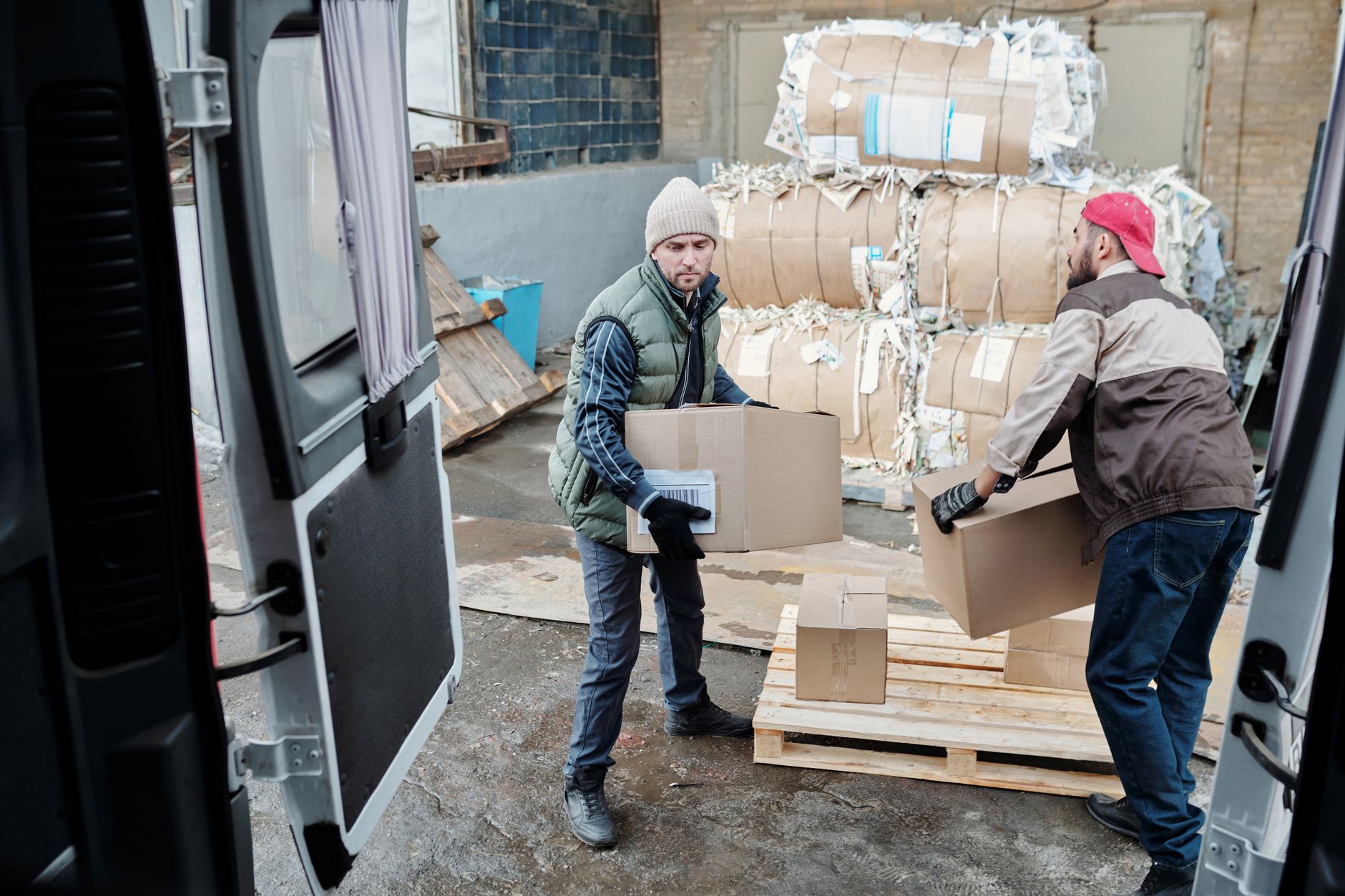
Your carton leaves the factory looking perfect. It has been sealed, stacked, and checked. Then it goes through a chain of handling that nobody at the factory ever sees: a forklift, a container floor, a customs inspection bench, a courier van, a doorstep. The failure often happens where the carton is dropped, not where it is made.
Here is how one packaging drop test unfolded on the factory floor, and what it revealed about the difference between a carton that survives production and one that survives delivery.
Part 1: What actually happens during a drop test
Suppose you order a run of pet apparel in retail boxes, packed into export cartons. The factory has already produced the goods. The QC inspector arrives for the pre-shipment inspection. You have asked for a drop test as part of the quality standard.
The inspector takes one complete unit—the product inside its retail box, inside the export carton—and follows a set sequence. The test is not random. It is a simulation of the falls a package may experience in transit: drops on corners, edges, and faces, in a certain order. For lighter packages, the inspector can do this by hand. For heavier cartons—say 50 kg—it may take two people or a testing lab with a robot to avoid injury.
The drop height depends on the package weight, typically between about 0.5 and 1.5 metres onto the same surface. The package is dropped 10 times in a precise sequence. The inspector then opens the carton and checks several things: has the unit shifted inside? Is there cosmetic damage to the outer carton or the retail box? Is the product itself damaged? Does it still function correctly?
Small cosmetic scuffs on the outer carton are normal after a drop test. The goal is that the product inside is unharmed and the retail packaging is still presentable. If the retail box is crushed or the product is broken, the test has failed—and so would your shipment.
This is where the process can stall. The factory may have tested packaging to its own standard, or not at all. The inspector may be testing to ISTA, or to ASTM, or to a carrier’s own standard. These are not identical. ASTM’s standard applies to containers weighing 110 lb (50 kg) or less, while ISTA covers heavier weights. Your carrier—FedEx, UPS, Amazon—may have its own requirement. If you do not specify the standard, you may get a test that passes but does not match the handling your carton will actually face.
Another common gap: the test is done on a prototype or on empty packaging, not on a real unit in its final retail box. That tells you little. The test must use the same packaging that will travel.
Part 2: What to do about it
Before you approve packaging or pay for the bulk run, take these steps:
- Specify the test and the standard in writing. Ask your supplier which standard they test to, and confirm it matches your carrier’s requirement. If you are unsure, ask your carrier which standard applies to them. ISTA is a common starting point, but it is not the only one.
- Require the test on a complete unit. The package must contain the actual product in its retail packaging—not a dummy or an empty box.
- Ask for the drop sequence and results. You want to see the order of drops, the height, and the inspection findings: unit shift, cosmetic damage, product damage, and function. A simple pass/fail is not enough.
- Check the retail box, not just the product. If the retail box is part of the customer experience, it must survive the test in sellable condition. If it does not, you need more protection or a different design.
- Watch the trade-off. Over-packaging adds bulk and can double your shipping volume and cost. Under-packaging leads to damage and returns. The right level comes from testing, not guessing.
- Make it a regular part of your quality standard. When your supplier knows a drop test will happen, they design for it. That is cheaper than fixing damage later.
If you need help setting up a packaging test that matches your actual handling chain, our team can advise on what to specify and how to check the results.
The carton that survives the factory is not the same as the carton that survives the last mile. Test for the second one.
Tell us about your product, target market and timeline; we will outline the practical next steps.
Prepare your sourcing briefThe next useful question.
Tell us what you have in mind.
We’ll help map the next step.
Share your product, target quantity, destination and timeline. Whether you are finding a supplier or checking an existing order, a clear brief is a good place to start.
Get the sourcing briefConnect with Jinaria
Send your project brief by email, WhatsApp or Telegram. Downloading a brief does not submit an inquiry automatically.