Menu +
FBA-Ready Cargo: Packing That Survives the Handoff
FBA and WFS have different size, weight and packing rules. Here’s how to build cartons that clear the receiving dock without a surprise.
Start reading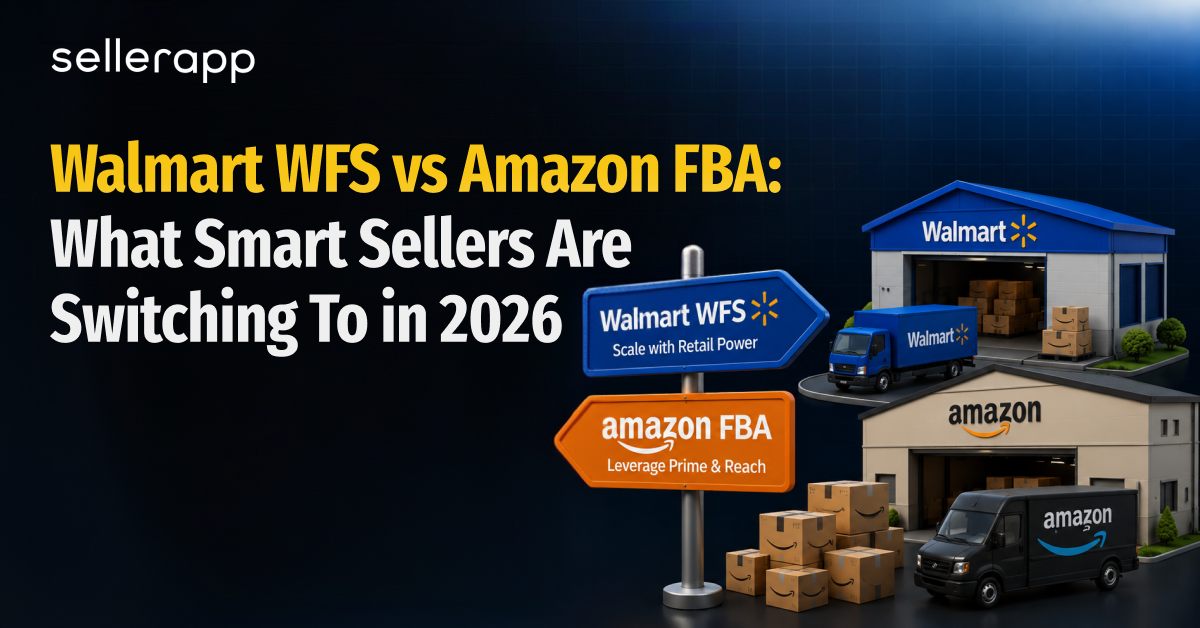
If you’re sourcing pet hoodies, knit sweaters or collars from China and sending them straight to a fulfillment center, the packing stage is where an order quietly succeeds or fails. Amazon FBA and Walmart WFS set different limits, and the carton that leaves the factory has to match the platform it’s headed to. It’s not about the product; it’s about the box.
Know the receiving rules before the cartons are made
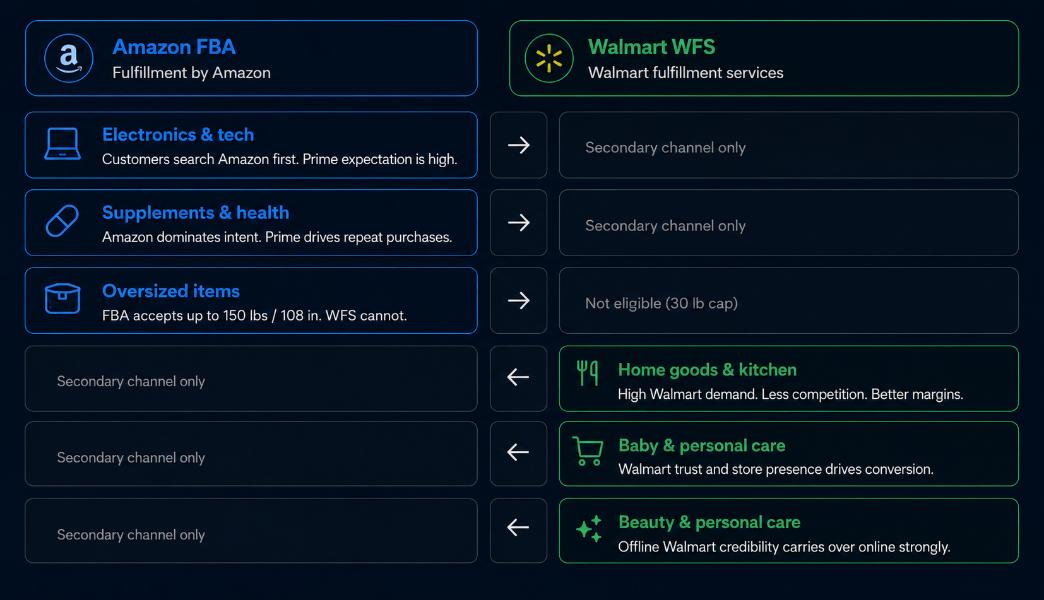
Amazon FBA accepts large and oversized items, up to 150 lbs and 108 inches in length. Walmart WFS caps shipments at 30 lbs and 25 x 20 x 14 inches per carton. That gap matters for our goods. A bulk run of stainless pet bowls or a carton of denim pet jackets can easily land under 30 lbs, but a mixed carton of pet bathrobes and towels gets heavy fast once you add the poly bags and inserts.
So the decision starts at the factory: how many units per carton, what the carton weighs, and where it’s going. If you’re splitting one production run between Amazon and Walmart, the cartons need to be built separately, not just relabeled at the port. A simple packing spec, written before production, prevents the split.
Two other things bite sellers here. First, Amazon may split your inventory across multiple fulfillment centers, so your shipment plan has to survive that routing. Second, Walmart often takes a single destination, which is simpler but leaves less room for error in the box itself. Neither platform rewards a carton that’s over the weight cap or under-labeled.
- Labeling: every carton needs a scannable FNSKU or Walmart label in the right spot.
- Poly bagging: loose items like collars, tags or small pendants should be bagged and sealed.
- Carton strength: double-wall board for anything over ~20 kg of dense goods.
- Weight check: weigh at the factory, not at the dock.
If you’re not sure which carton goes where, our sourcing team can help map the packing plan to each platform’s rules before the goods leave the workshop.

Build the spec, then build the box
Suppose you order 600 knit pet sweaters. Say each sweater weighs 250g and packs into a poly bag about 1.2 liters. At 50 pieces per carton, that’s 12 cartons, each around 12.5 kg / 27.5 lbs and roughly 0.06 CBM. That’s comfortably inside Walmart’s 30 lb limit and far inside Amazon’s. But add a heavier item, like a boxed stainless bowl set, and the same carton count changes shape. The lesson isn’t the number; it’s that you do the math before the cartons are taped.
FBA-ready cargo is a packing decision, not an afterthought. Fix the carton spec early, match it to the platform, and the handoff at the dock stays boring.
Tell us about your product, target market and timeline; we will outline the practical next steps.
Prepare your sourcing briefThe next useful question.
Tell us what you have in mind.
We’ll help map the next step.
Share your product, target quantity, destination and timeline. Whether you are finding a supplier or checking an existing order, a clear brief is a good place to start.
Get the sourcing briefConnect with Jinaria
Send your project brief by email, WhatsApp or Telegram. Downloading a brief does not submit an inquiry automatically.