Menu +
Understanding Shipping Options and Transit Times from China
A practical guide to sea, air, and rail freight from China—how transit times, costs, and risks compare, and how to choose the right mode.
Start reading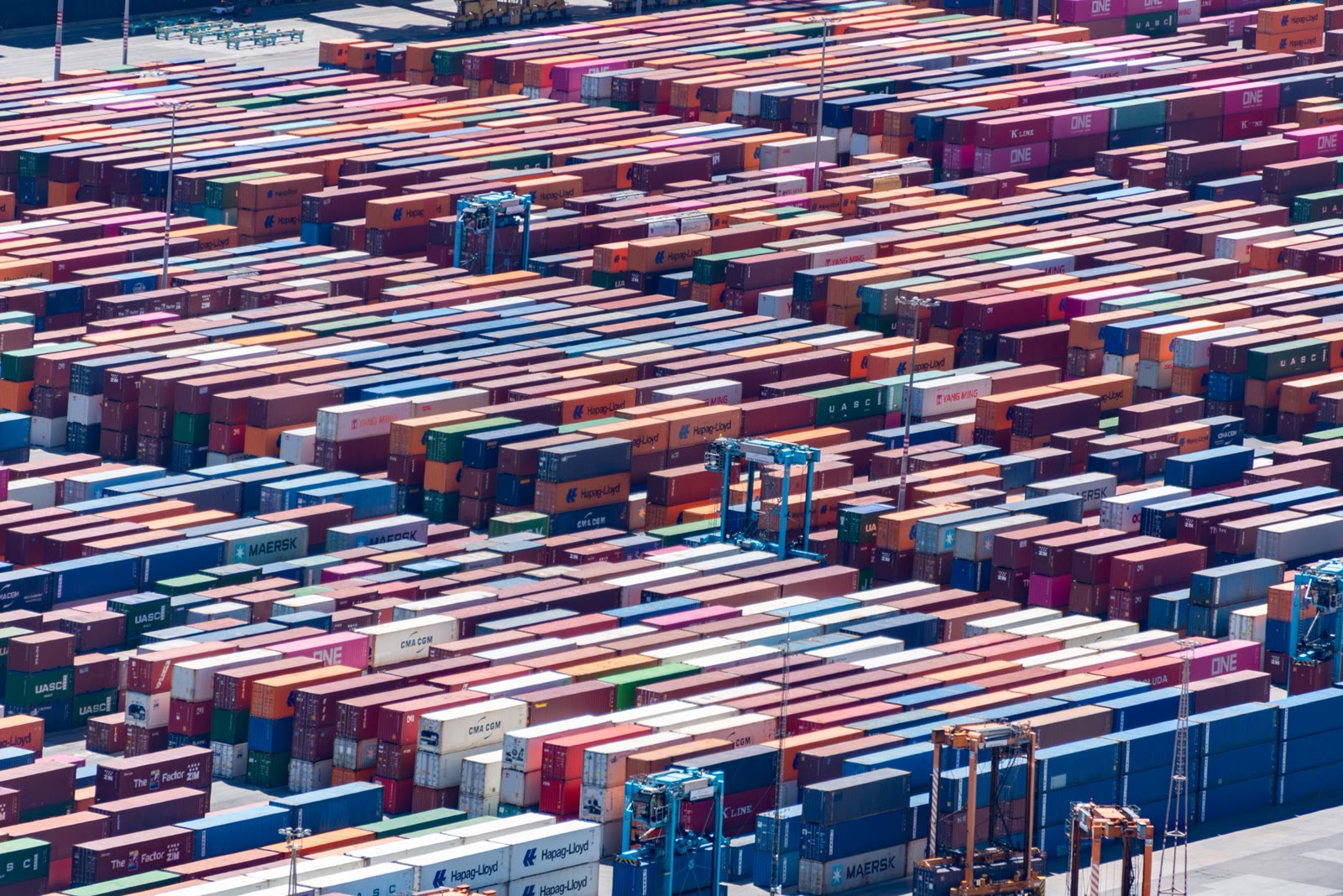

Shipping is often the part of sourcing from China that surprises buyers most. The factory quotes a unit price, you multiply by quantity, and then you realize the freight can add 10–30%—or more—to your landed cost, and the transit time is measured in weeks, not days. Understanding how the main shipping modes work, and what drives their costs and timelines, helps you plan inventory, set customer expectations, and avoid expensive mistakes.
The Three Main Modes: Sea, Air, and Rail
Sea freight is the workhorse for most bulk goods. A full container load (FCL) moves your goods in a dedicated 20- or 40-foot container; less-than-container load (LCL) consolidates your shipment with others. FCL is simpler and often cheaper per cubic meter once you have enough volume. LCL is flexible for smaller orders, but you pay for handling at both ends and your cargo may be delayed by other shippers’ paperwork.
Air freight is fast but expensive—typically several times the cost of sea per kilogram. It makes sense for high-value, lightweight, or time-sensitive goods, or when you need to replenish stock quickly. Air cargo also has stricter rules on batteries, liquids, and powders, so check with your supplier and freight forwarder early.
Rail freight (China–Europe) sits in the middle. It’s faster than sea but cheaper than air, and it has become a reliable option for many European buyers. Capacity and schedules can vary, and not all destinations are served directly.
Typical Transit Times (and What Changes Them)
These are ballpark ranges for port-to-port or airport-to-airport; door-to-door adds time for pickup, export clearance, and final delivery.
- Sea FCL: 25–40 days to major ports in Europe or the US East Coast; 12–20 days to West Coast ports.
- Sea LCL: add roughly 1–2 weeks for consolidation and deconsolidation.
- Air freight: 3–8 days door-to-door, depending on routing and customs.
- Rail (China–Europe): 18–25 days to major hubs.
Several factors push these ranges around: port congestion, blank sailings, weather, holidays (Chinese New Year, Golden Week), customs inspections, and whether your documentation is complete. A missing commercial invoice or a mismatched HS code can hold a container for days.
Cost Drivers You Should Know
Freight rates are volatile. They depend on fuel prices, capacity, seasonality, and global events. Beyond the base rate, expect charges for terminal handling, documentation, customs brokerage, and delivery. For LCL, you’ll often see fees per cubic meter plus fixed charges that can make small shipments surprisingly costly.
Dimensional weight matters for air: a bulky but light carton may be charged by volume rather than actual weight. For sea, the container size and whether you can fill it efficiently drive your per-unit cost. If you’re unsure how to compare quotes, our guide on reading a quotation breaks down what belongs and what doesn’t.
Choosing the Right Mode for Your Business
Ask three questions: How urgent is the stock? What is the value-to-weight ratio? And how much can you afford to tie up in inventory?
- Urgent, high-value: air.
- Balanced speed and cost: rail (if available to your region).
- Cost-sensitive, non-perishable: sea FCL.
- Small trial orders: sea LCL or air, but watch the fixed fees.
Many importers use a mix: air for the first sample run, sea for replenishment. It’s also wise to build buffer time into your planning—especially around Chinese holidays, when factories and ports slow down for weeks.
Risk, Insurance, and Documentation
Cargo can be damaged, delayed, or lost. Marine insurance is inexpensive relative to the value of your goods and worth having for most shipments. Make sure your commercial invoice, packing list, and bill of lading are consistent and accurate. If you’re new to importing, our article on customs and duties covers the paperwork side in more detail.
Finally, don’t assume your supplier will handle shipping flawlessly. Some are excellent; others simply call a forwarder and pass along the cost. If you want someone to coordinate the freight, verify the details, and keep you informed, that’s part of what a sourcing partner does. You can see how we handle it on our services page.
Shipping from China doesn’t have to be a black box. Understand the modes, plan for realistic transit times, and budget for the extra charges. The more you know, the fewer surprises land on your invoice—or your customer’s doorstep.
Tell us about your product, target market and timeline; we will outline the practical next steps.
Prepare your sourcing briefThe next useful question.

A better sourcing brief starts with these details.
Give suppliers the information they need to quote the same product—and make their offers easier to compare.
Read the guide
What to check before you approve a shipment.
Move beyond a few product photos with a clear plan for product, quantity and packaging checks.
Read the guideTell us what you have in mind.
We’ll help map the next step.
Share your product, target quantity, destination and timeline. Whether you are finding a supplier or checking an existing order, a clear brief is a good place to start.
Get the sourcing briefConnect with Jinaria
Send your project brief by email, WhatsApp or Telegram. Downloading a brief does not submit an inquiry automatically.