Menu +
The Warehouse Intake Receipt: What to Get Before Goods Enter a Forwarder
A forwarder you don’t control will take your goods into its warehouse. Here’s the written record to demand at intake, before the cartons disappear into a container.
Start reading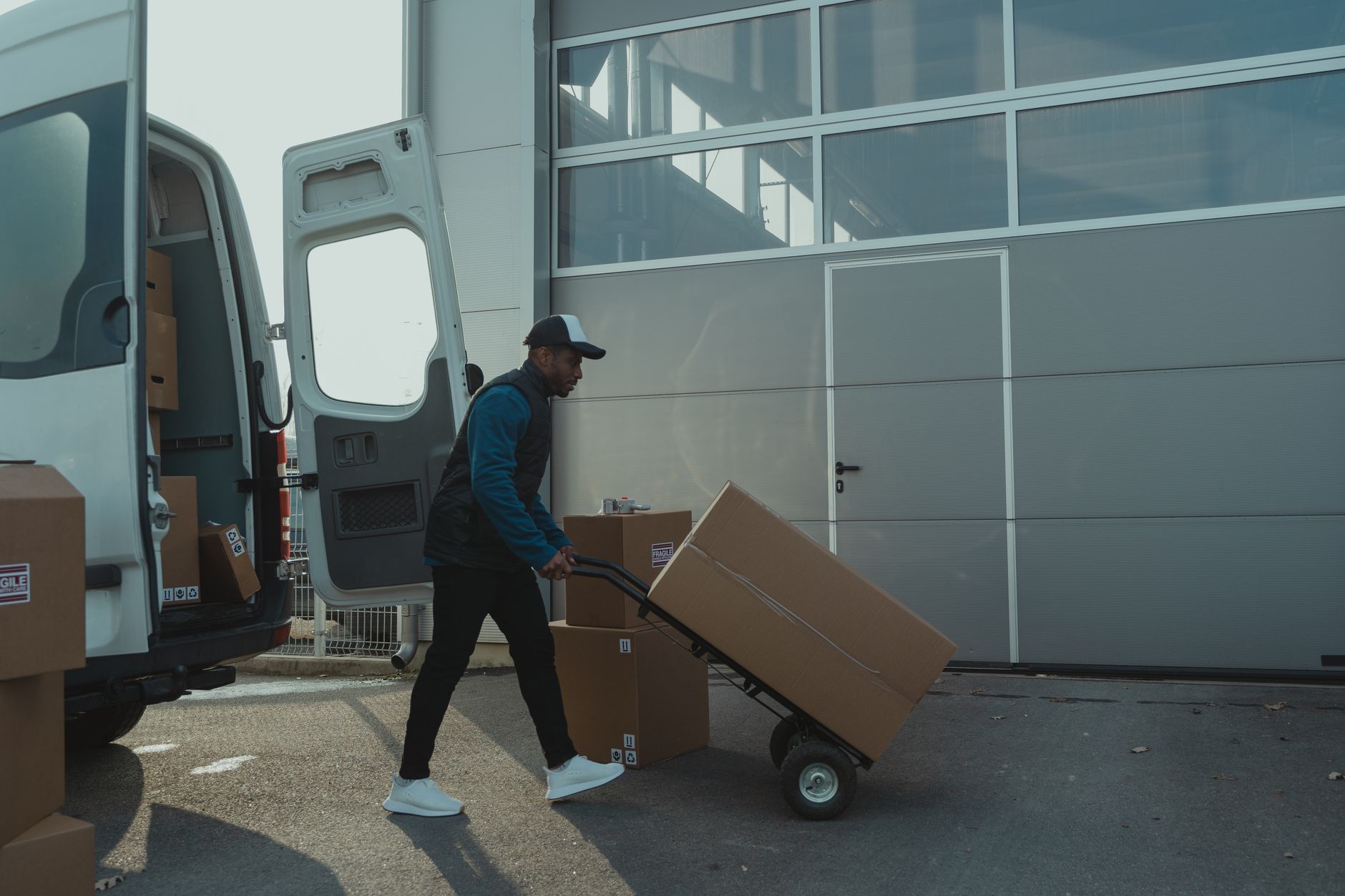
When you hand goods to a forwarder you don’t control, the most dangerous moment is not the ocean crossing. It’s the warehouse intake. That’s when your cartons go from being your supplier’s problem to being nobody’s problem in particular — unless you have a document that says otherwise.
What actually happens at the warehouse door
Say you’ve ordered pet apparel and a few accessories from a factory in Guangdong. You’ve booked a forwarder you found through a quote request, chosen because the price was low and the replies were fast. You’ve confirmed DDP to your door. The factory delivers the cartons to the forwarder’s warehouse. A worker signs a delivery note, maybe a stamped receipt, and the cartons are wheeled inside.
That’s the handover. It takes five minutes. What you receive afterward is usually a photo of a pallet and a short message: “Goods received, will update.” No intake receipt, no piece count, no measurement, no warehouse address in writing, no statement of who is responsible for the goods while they sit there.
This is where the trouble starts. A few days later an invoice arrives that doesn’t match the quote. There’s a new line item, an “anti-dumping tariff” that shouldn’t apply to textile pet clothing, or an “operational surcharge” nobody mentioned. You dispute it. The forwarder replies that the goods are already loaded and the vessel sails Friday. Getting them back requires a cancellation fee.
Now you’re in a standoff. You have no contract, because the forwarder said they needed the goods first to write one. You have no intake receipt that lists what they actually hold. You have no document that states the agreed price. All you have is a message thread and a photo of a pallet.
The paperwork that should exist before the cartons move
A proper forwarder can produce a warehouse intake receipt — sometimes called a goods receipt or receiving note — at the moment of handover. It should show the date, the warehouse address, the piece count, the packaging type, the gross weight and volume if measured, and the name of the party depositing the goods. It should be signed or stamped by the warehouse, not just typed in an email.
That document matters because it establishes possession. Without it, if the forwarder later claims the goods were damaged, short-shipped, or never arrived, you have nothing to point to. With it, you can at least prove what was handed over and when.
But the intake receipt is only half of it. Before the goods leave the factory, you should have a written confirmation from the forwarder that states the all-in price, the service scope (DDP to your door, including duties and taxes), and the conditions under which the price can change. If the forwarder says they can’t write a contract until the goods arrive, that’s a warning sign. A legitimate forwarder can issue a booking confirmation or service agreement before cargo moves.
What to ask for, in order, before you release the goods
- Before the factory ships: Get a written quote that states the full service — pickup, export clearance, ocean freight, destination charges, duties, and delivery to your address. Ask specifically what is not included. If the answer is vague, ask again.
- Before the goods arrive at the warehouse: Request the warehouse address and the name of the receiving contact in writing. Confirm who will sign the intake receipt and what format it takes.
- At handover: Ask for the intake receipt to be issued the same day. Check that it lists piece count and weight, and that it’s signed or stamped. Keep a copy.
- Before any payment: Reconcile the invoice against the written quote. If a new charge appears, ask for the specific tariff code or regulation it relates to. If the forwarder can’t produce that, treat the charge as unverified.
- If the forwarder stalls: Put your instructions in writing — that the goods are not to be loaded until the price dispute is resolved — and keep a record of the timestamp. This won’t guarantee compliance, but it creates a paper trail.
None of this eliminates the risk of dealing with a forwarder you don’t know. But it shifts the balance. A forwarder who can produce a clean intake receipt and a written service agreement before cargo moves is a forwarder who expects to be held to a standard. One who can’t is telling you something useful before your money is on the line.
If you’re consolidating shipments from several suppliers, the same logic applies at the consolidation warehouse. You can read more about how we handle sourcing and shipment coordination if you want a second set of eyes on the handover points.
Tell us about your product, target market and timeline; we will outline the practical next steps.
Prepare your sourcing briefThe next useful question.
Tell us what you have in mind.
We’ll help map the next step.
Share your product, target quantity, destination and timeline. Whether you are finding a supplier or checking an existing order, a clear brief is a good place to start.
Get the sourcing briefConnect with Jinaria
Send your project brief by email, WhatsApp or Telegram. Downloading a brief does not submit an inquiry automatically.